
Sapodilla / Níspero
Scientific Name: Manilkara zapota
Origin: South America
Botanical Family: Sapotaceae
Zapote costeño ist ein immergrüner Baum aus Mittelamerika, der für seine essbaren Früchte und sein rötliches Hartholz bekannt ist.
Brief History and Description
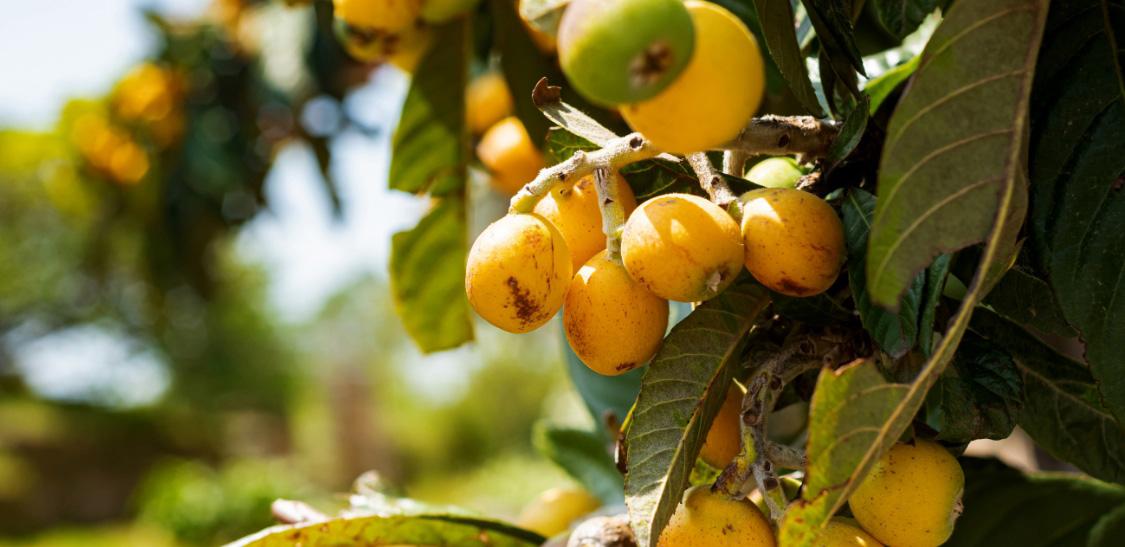
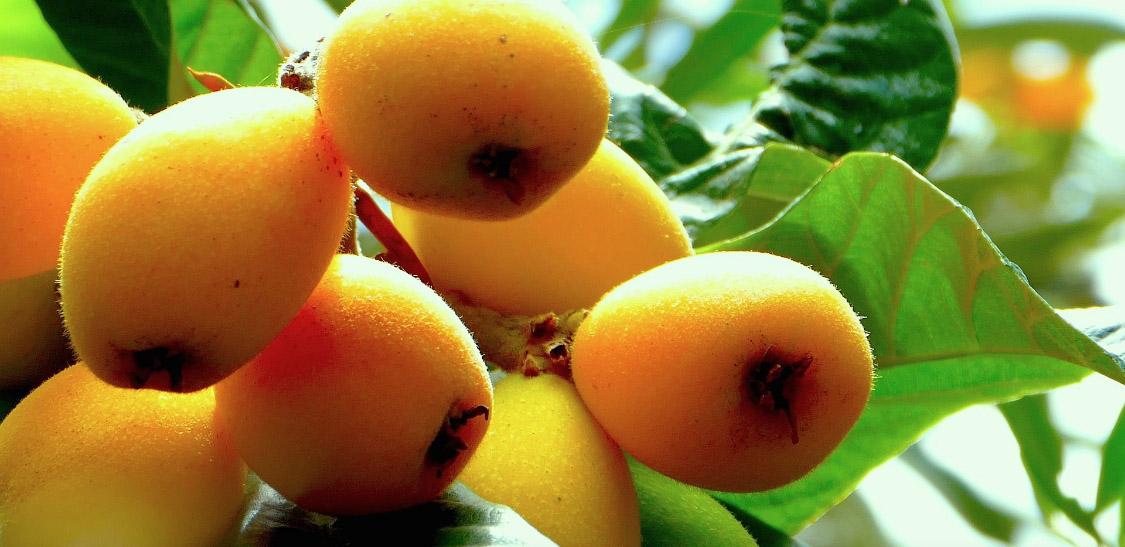
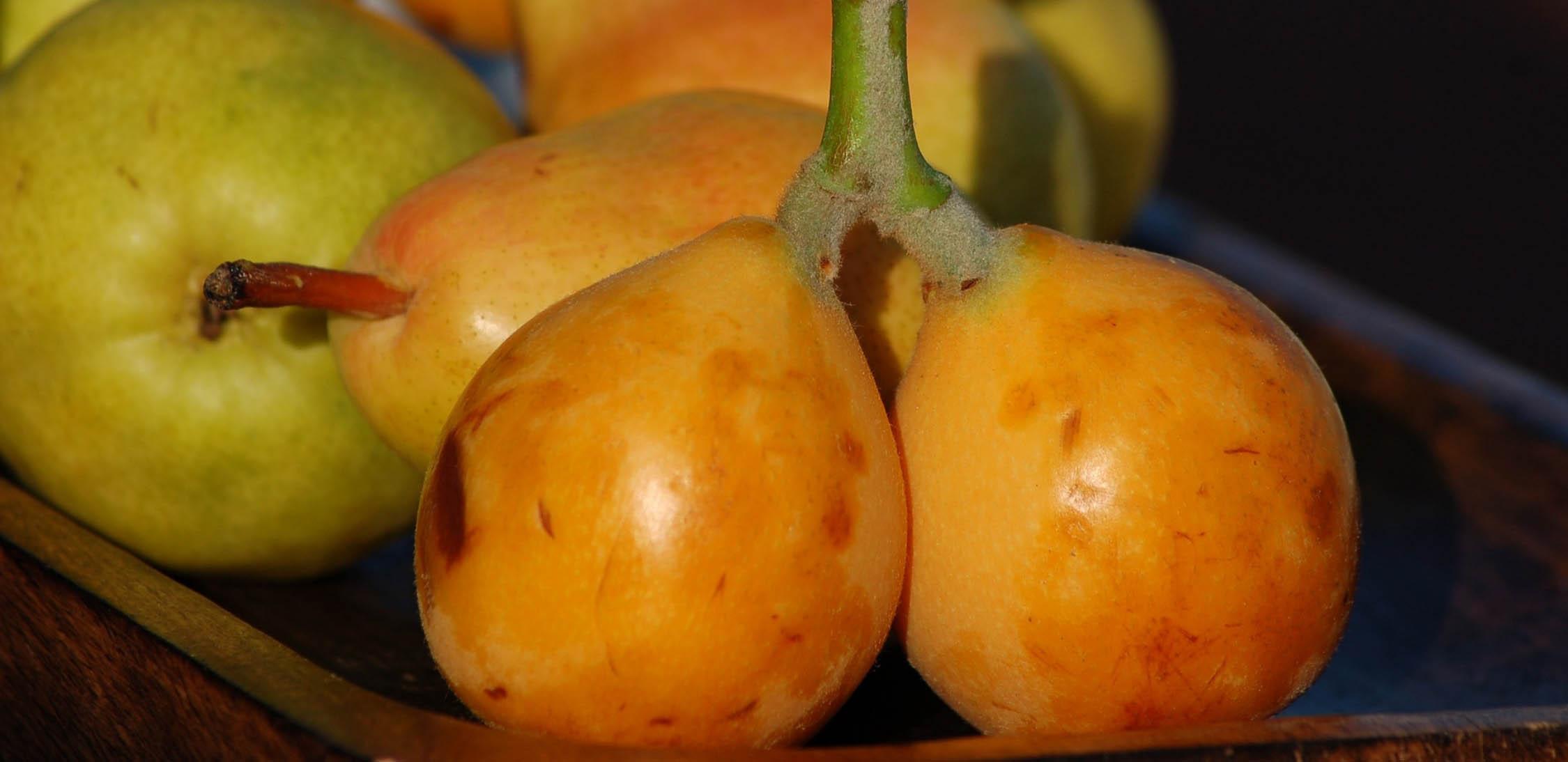
Zapote costeñ is an evergreen tree with reddish hardwood and a rough-skinned brown fruit with sweet flesh. Sapodilla is originally from Mexico and is native to Central America, although it is also cultivated in Asian countries, including India.
Culinary Usage and Nutritional Properties
Manilkara zapota, Sapodilla, is Sapotaceae's best-known and most widely cultivated fruit. Sapodilla is a rich source of nutrients (sugars, acids, protein, amino acids) and minerals (potassium, calcium, and iron). It comprises a wide range of bioactive compounds, mainly ellagitannins, gallotannins, phenolic acid, depsides, and flavonoids (Anthocyanins and flavanols). The nutritional profile of sapodilla fruit and its phytochemical diversity and by-products (peels, seeds, bark, leaves) make them potential sources of nutraceutical compounds from which functional foods can be obtained.
Economic and Environmental aspects
Zapote is also commercially important as an edible fruit, latex, and timber source. This edible fruit is very popular and is widely consumed in tropical regions. The latex of the tree is coagulated and used commercially to make chewing gum. Zapote costeño produces timber that is traded internationally.
Annual Yield
Each Sapodilla tree produces about 250 – 300 kg of fruit annually.
Pharmacological Activities and Bio-active Properties
Pharmacological studies show that Manilkara zapota has bio-active properties such as:
Antioxidant activities,
Anti-diabetic activities,
Antimicrobial activity,
Anti-cancerous activity,
Anti-arthritic and anti-inflammatory activities.1

Green Your Inbox!
With our Newsletters, Stay updated on our Stories of Change and Growth.
As a gift, get a personalised Nature E-card from PH.