

What Happens After the Photo Is Taken
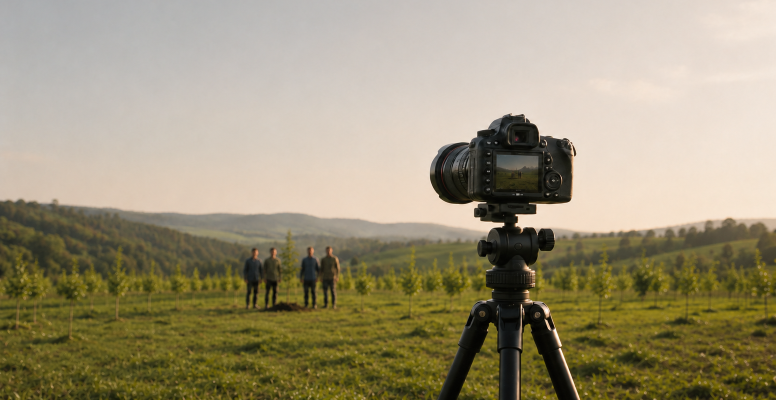
A photo shows a moment. People with shovels. A young tree in fresh soil. A smile for the camera. Then the photo is done, and for most people looking at it, that's where the story ends.
At Planting Hope, the real story is only just beginning.
What a Photo Doesn't Show
A planted tree isn't a finished project. It's the start of a process that takes years, water, care, protection from pests, and people who keep watching over it long after the cameras leave. Anyone who only sees the planting photo misses the work that follows, and that work is what actually decides whether a seedling becomes a tree.
What Really Happens After Planting
In Zambia, our partner the Inshindo Foundation follows planted trees for years through its Environmental Health Programme. Increasingly, that follow-up happens digitally too: a newly introduced platform called Nyitondu now allows individual trees to be tracked, rather than relying solely on occasional site visits.
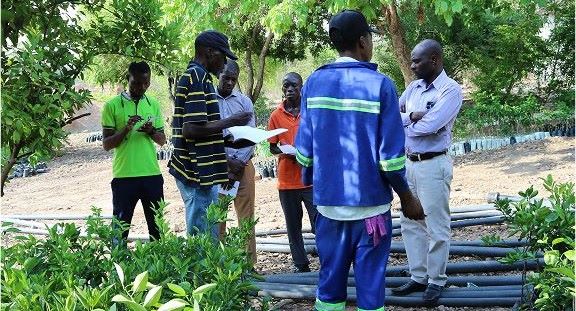
The number of people actively involved in this ongoing care is growing. In 2024, our most recent verified reporting year, 287 participants were actively engaged, up from 126 the year before. These are the people a photo never shows, but without them, there would be no trees left standing to photograph in the first place.
Being Honest About Setbacks
A tree-planting story that only shows success wouldn't be honest. During the 2023/24 drought, roughly four in ten previously planted trees were lost. Caterpillars, termites, and bushfires damaged several orchards on top of that. In some communities, there was even seedling theft.
How a project responds to that says more than any success story could. Instead of punishing those responsible for the theft, they were invited to join the project. A problem became a new participant.
What Grew From It
Despite the drought, 2024 exceeded its own targets. 4,797 trees were planted, 18% above the original goal of 4,080. Seventeen new orchards were established, at schools, churches, and family farms, bringing the total to 20. That kind of result only happens through partnership: with the Forestry Department, commercial nurseries, and traditional village authorities on the ground.
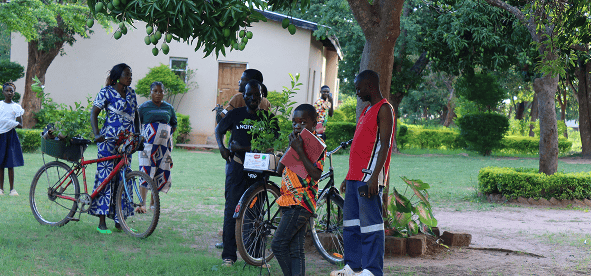
These numbers aren't a replacement for the planting-day photo. They're what happened afterward, setbacks included.
Why This Matters
A donation photo builds trust in the moment. But trust that lasts is built by also showing what doesn't go smoothly, and what's learned from it. That's really what a day like World Nature Conservation Day is for: not just celebrating the beginning, but seeing the whole journey.
To read more about how agroforestry, local knowledge, and long-term impact connect, see our post [Agroforestry: Revolutionizing Farming, Empowering Farmers, and Protecting the Planet]. For how education and environmental work reinforce each other in Zambia specifically, see TwoWings' post [Empowering Zambia through Education and Action].
A tree that grows needs more than a beginning. It needs people who stay. If you'd like to be part of that ongoing work, not just one photo, support Planting Hope beyond the planting day.
Green Your Inbox!
With our Newsletters, Stay updated on our Stories of Change and Growth.
As a gift, get a personalised Nature E-card from PH.